
6 Kingdoms Brochure
6 Kingdoms Brochure - Worksheets are activity 3 six kingdoms brochure, six kingdom. This is a great project for an end of unit. Learn about bacteria, protists, fungi, plants, and animals. Create a brochure about the six kingdoms of life! Fungi, plant, animal, protist, eubacteria, and archaebacteria. Organisms are traditionally classified into six kingdoms (archaebacteria, eubacteria, protista, fungi, plantae, and animalia) based on characteristics like cell type,. The document provides instructions for creating a brochure about the six kingdoms of life: In this project, students must do some research on each kingdom of life and create an informational brochure describing and depicting each. You will demonstrate your knowledge of the six kingdoms of organisms by gathering information (from your class notes, the internet, and the biology textook) and creating a. You will demonstrate your knowledge of the six kingdoms of organisms by gathering information (from your class notes, the internet, and the. 6 kingdoms of life, complete your thinking map by putting the title of the kingdom and some illustrated examples of organisms that belong to that kingdom in each box. This is a great project for an end of unit. (bacteria) eubacteria kingdom, (bacteria) archaebacteria kingdom, protist kingdom, fungi kingdom, plant kingdom, and animal kingdom. The document provides instructions for creating a brochure about the six kingdoms of life: Fungi, plant, animal, protist, eubacteria, and archaebacteria. Create a brochure about the six kingdoms of life! Six kingdoms brochure project objective : You will demonstrate your knowledge of the six kingdoms of organisms by gathering. Worksheets are 6 kingdoms of life, six kingdoms of classification name date period, the 6 kingdoms o. Make sure to use front. Six kingdoms brochure project objective : Make sure to use front. Protista, fungi, plantae, animalia, archaebacteria, and eubacteria. Learn about bacteria, protists, fungi, plants, and animals. Information and creating a brochure on the six kingdoms in which. Students create their own six kingdoms brochure in this classroom activity. Fungi, plant, animal, protist, eubacteria, and archaebacteria. Six kingdoms brochure project objective : The document provides instructions for creating a brochure about the six kingdoms of life: Worksheets are 6 kingdoms of life, six kingdoms of classification name date period, the 6 kingdoms o. You will demonstrate your knowledge of the six kingdoms of organisms by gathering information (from your class notes, the internet, and the. Worksheets are 6 kingdoms of life, six kingdoms of classification name date period, the 6 kingdoms o. Information and creating a brochure on the six kingdoms in which. Create a brochure about the six kingdoms of life! You. You will demonstrate your knowledge of the six kingdoms of organisms by gathering information (from your class notes, the internet, and the biology textook) and creating a. In this project, students must do some research on each kingdom of life and create an informational brochure describing and depicting each. Organisms are traditionally classified into six kingdoms (archaebacteria, eubacteria, protista, fungi,. Learn about bacteria, protists, fungi, plants, and animals. In this activity, students will create an informational brochure about all six kingdoms. (bacteria) eubacteria kingdom, (bacteria) archaebacteria kingdom, protist kingdom, fungi kingdom, plant kingdom, and animal kingdom. Worksheets are activity 3 six kingdoms brochure, six kingdom. You will demonstrate your knowledge of the six kingdoms of organisms by gathering information (from. (bacteria) eubacteria kingdom, (bacteria) archaebacteria kingdom, protist kingdom, fungi kingdom, plant kingdom, and animal kingdom. Worksheets are 6 kingdoms of life, six kingdoms of classification name date period, the 6 kingdoms o. Six kingdoms brochure project objective : In this activity, students will create an informational brochure about all six kingdoms. You will demonstrate your knowledge of the six kingdoms. You will demonstrate your knowledge of the six kingdoms of organisms by gathering information (from your class notes, the internet, and the biology textook) and creating a. This is a great project for an end of unit. Worksheets are 6 kingdoms of life, six kingdoms of classification name date period, the 6 kingdoms o. This works great as a tie. (bacteria) eubacteria kingdom, (bacteria) archaebacteria kingdom, protist kingdom, fungi kingdom, plant kingdom, and animal kingdom. Learn about bacteria, protists, fungi, plants, and animals. Protista, fungi, plantae, animalia, archaebacteria, and eubacteria. You will demonstrate your knowledge of the six kingdoms of organisms by gathering information (from your class notes, the internet, and the. This works great as a tie in with. The document provides instructions for creating a brochure about the six kingdoms of life: This is a great project for an end of unit. You will demonstrate your knowledge of the six kingdoms of organisms by gathering information (from your class notes, the internet, and the. In this activity, students will create an informational brochure about all six kingdoms. This. Protista, fungi, plantae, animalia, archaebacteria, and eubacteria. You will demonstrate your knowledge of the six kingdoms of organisms by gathering information (from your class notes, the internet, and the biology textook) and creating a. This is a great project for an end of unit. Information and creating a brochure on the six kingdoms in which. 6 kingdoms of life, complete. Make sure to use front. 6 kingdoms of life, complete your thinking map by putting the title of the kingdom and some illustrated examples of organisms that belong to that kingdom in each box. This works great as a tie in with a lesson, or a simple assignment that could be left for a sub day. This is a great project for an end of unit. Worksheets are activity 3 six kingdoms brochure, six kingdom. (bacteria) eubacteria kingdom, (bacteria) archaebacteria kingdom, protist kingdom, fungi kingdom, plant kingdom, and animal kingdom. Organisms are traditionally classified into six kingdoms (archaebacteria, eubacteria, protista, fungi, plantae, and animalia) based on characteristics like cell type,. In this activity, students will create an informational brochure about all six kingdoms. Protista, fungi, plantae, animalia, archaebacteria, and eubacteria. In this project, students must do some research on each kingdom of life and create an informational brochure describing and depicting each. Six kingdoms brochure project objective : Some of the worksheets for this concept are activity 3 six kingdoms brochure, 6 kingdoms work, tree of life work, the 6 kingdoms of life, chapter 9 reinforcement work keys to the kingdom,. Create a brochure about the six kingdoms of life! Information and creating a brochure on the six kingdoms in which. You will demonstrate your knowledge of the six kingdoms of organisms by gathering information (from your class notes, the internet, and the. Fungi, plant, animal, protist, eubacteria, and archaebacteria.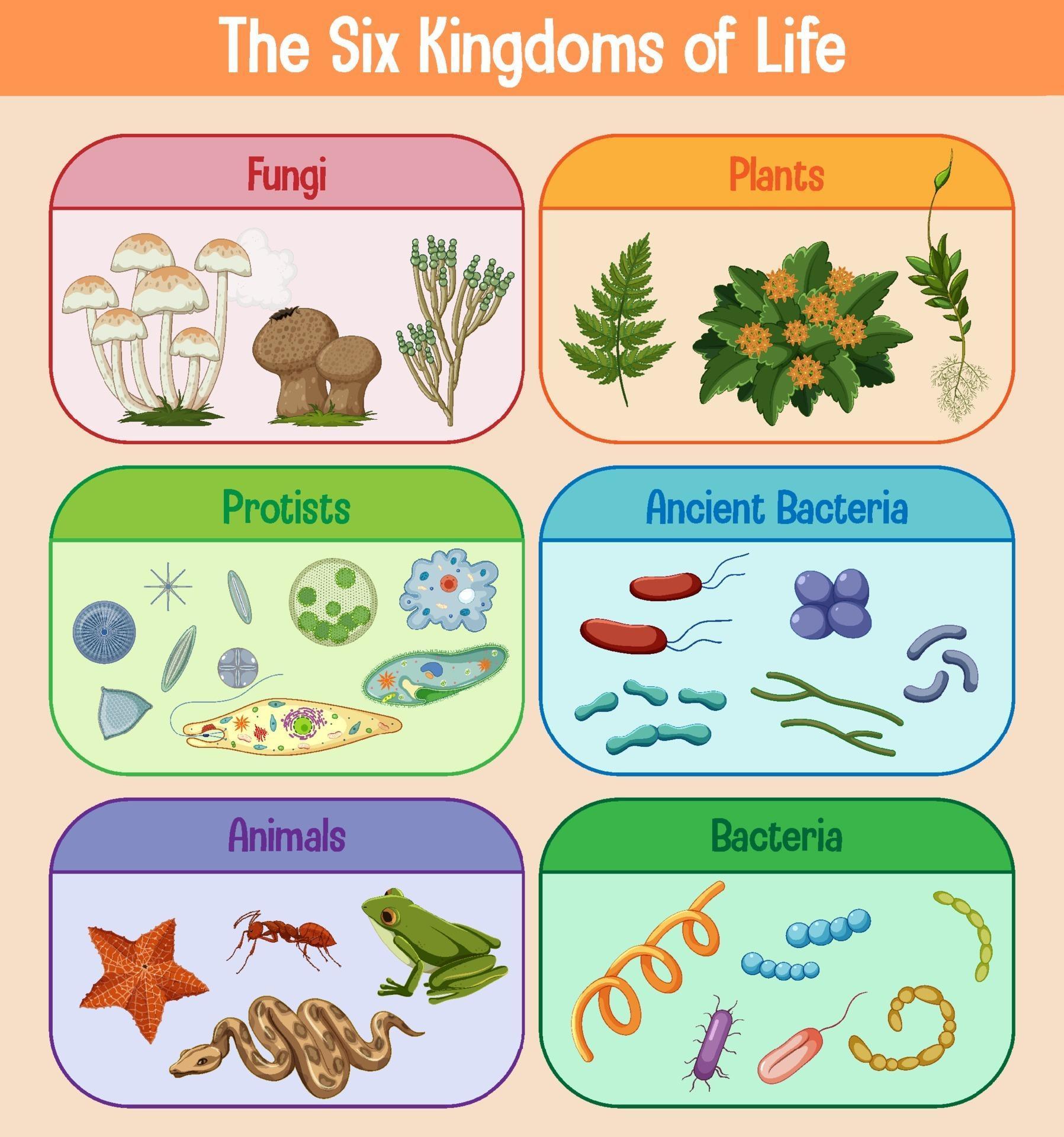
Science poster of six kingdoms of life 2111913 Vector Art at Vecteezy

The Six Kingdoms of Life Poster EachEducation Supplies, Quantity Each
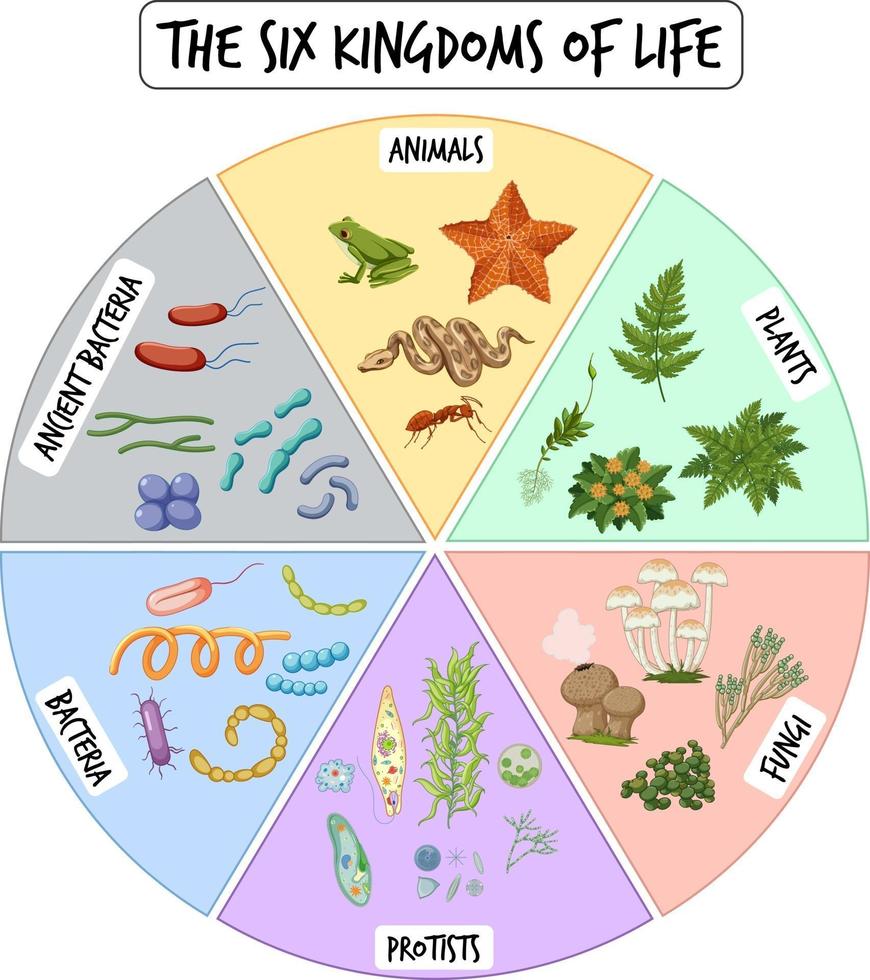
Information poster of six kingdoms of life 2906704 Vector Art at Vecteezy
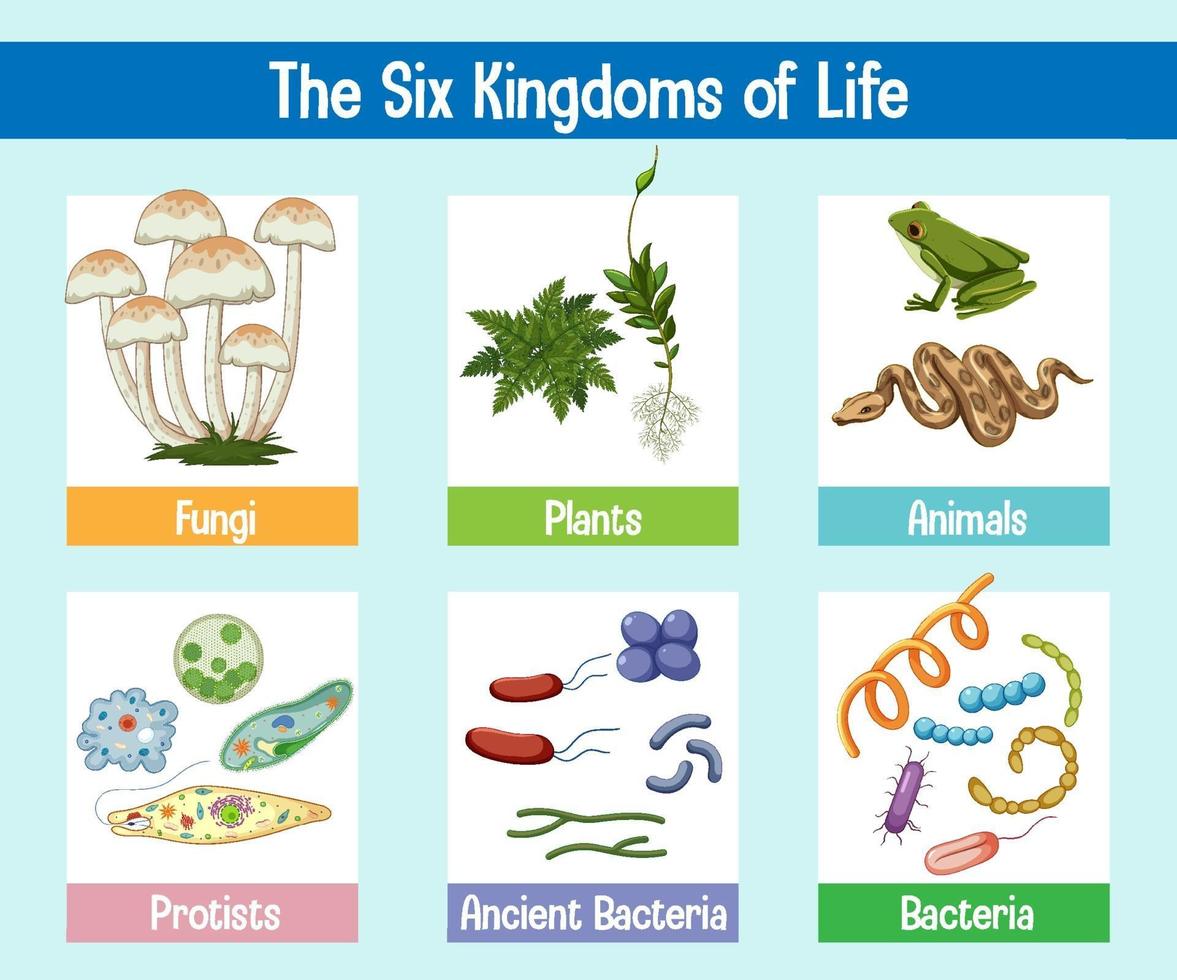
Science poster of six kingdoms of life 2070037 Vector Art at Vecteezy
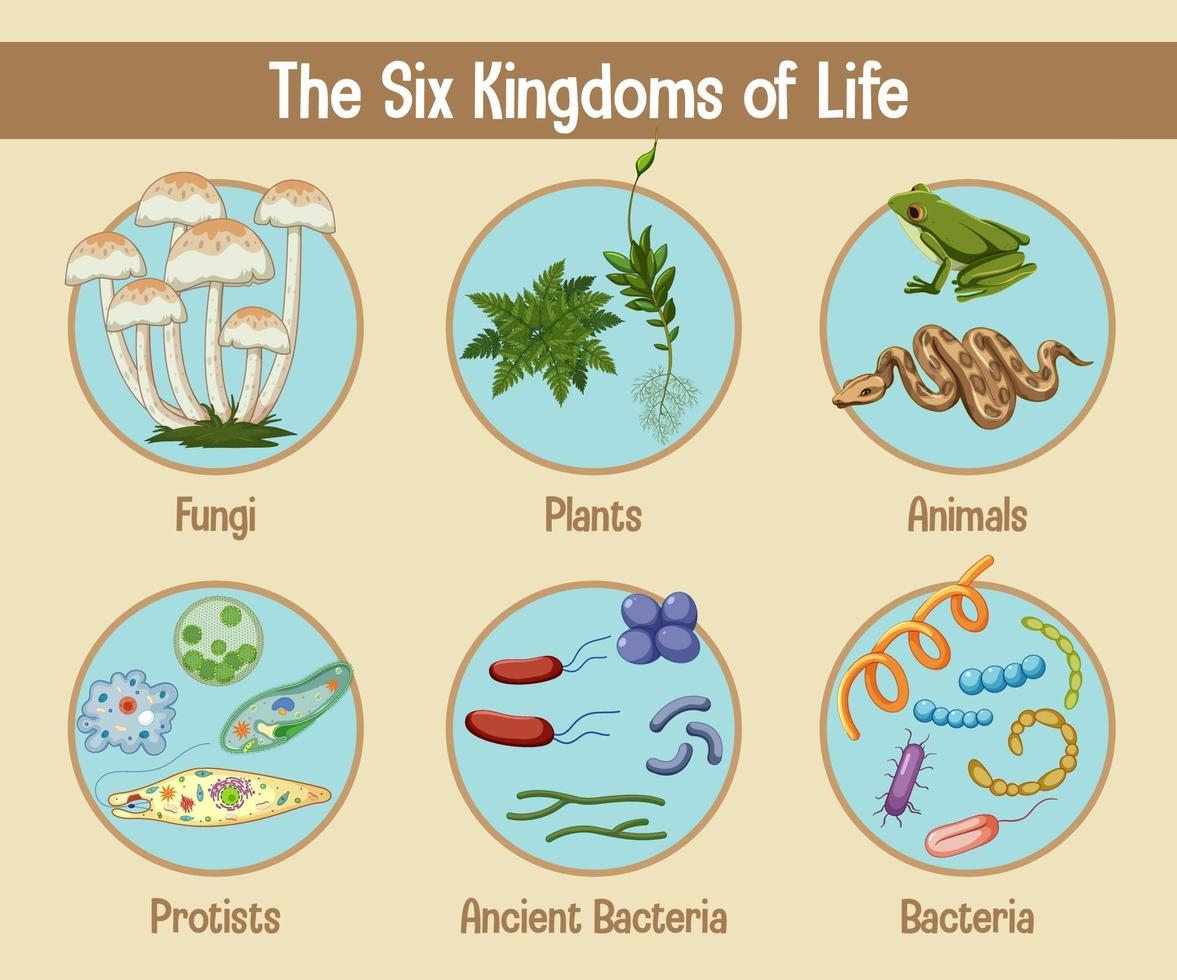
Science poster of six kingdoms of life 2906732 Vector Art at Vecteezy

the six kingdoms of life poster with animals, plants and other things in it

The Six Kingdoms Bulletin Board Charts, Set of 5 NP943502 New Path
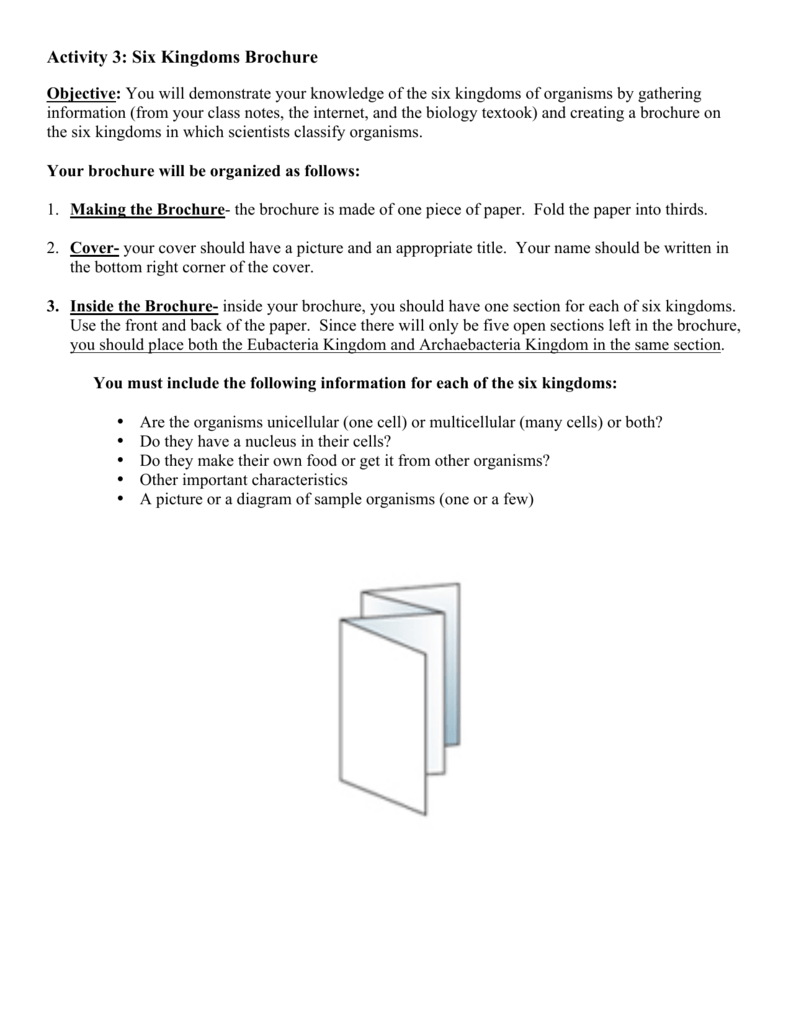
Activity 3 Six Kingdoms Brochure
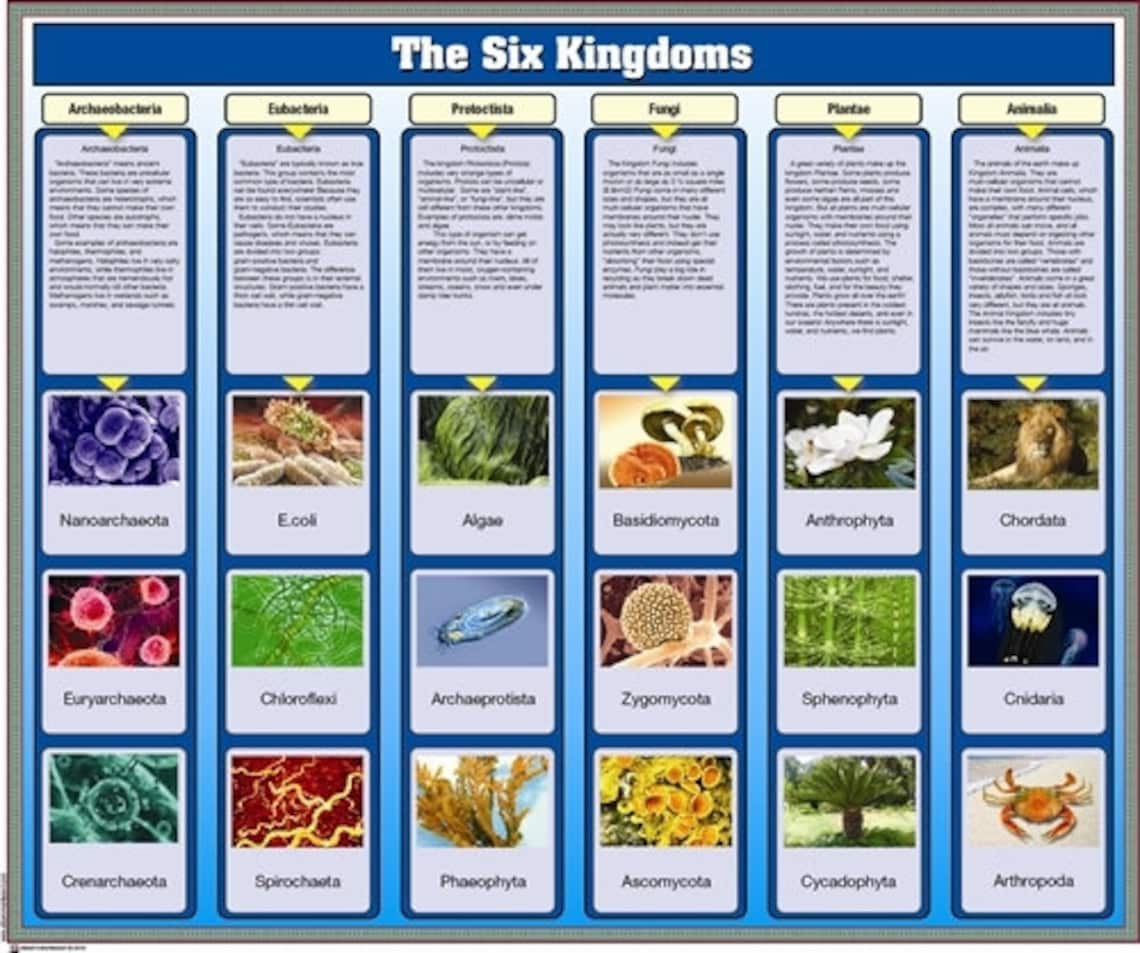
The Six Kingdoms Chart Complete Set the Six Kingdoms Printable

Middle School NGSS The Six Kingdoms Student Learning Guide The Six
You Will Demonstrate Your Knowledge Of The Six Kingdoms Of Organisms By Gathering.
Worksheets Are 6 Kingdoms Of Life, Six Kingdoms Of Classification Name Date Period, The 6 Kingdoms O.
The Document Provides Instructions For Creating A Brochure About The Six Kingdoms Of Life:
You Will Demonstrate Your Knowledge Of The Six Kingdoms Of Organisms By Gathering Information (From Your Class Notes, The Internet, And The.
Related Post: