
Brochure Lamination
Brochure Lamination - Common types of laminate are gloss, matt, velvet, gold, and. Lamination is the process of applying a thin layer of plastic to paper or card sheets to enhance and protect the printed matter. Lamination is a crucial finishing technique applied to brochures, providing them with enhanced durability and visual appeal. Lamination is the process of creating several layers in a material. The lamination finishing process involves adding a thin plastic layer to paper or card sheets to improve and safeguard the printed content. Download our brochure templates to help. Needs & benefits of laminating digital & paper prints. Many print projects have a clear laminate applied as a finishing step. It protects the paper from ordinary wear and tear and extends the life of the printed item. This process involves applying a thin transparent plastic film over. Understand why lamination is a crucial finishing touch for durability and aesthetics, and how it can protect and enhance. Made of durable plastic film, laminates protect the paper and ink against dirt and moisture. The lamination finishing process involves adding a thin plastic layer to paper or card sheets to improve and safeguard the printed content. Common types of laminate are gloss, matt, velvet, gold, and. Lamination is the process of creating several layers in a material. Dive into the world of printing with our clear explanation of lamination. Create a brochure that truly shines with laminated booklet printing; Gloss and matte are typical types of. It's done for decoration, for protection or to make printed material more durable. This process involves applying a thin transparent plastic film over. Download our brochure templates to help. Lamination is the process of creating several layers in a material. Lamination is the process of applying a thin plastic film to the surface of printed materials to enhance both their durability and visual appeal. Dive into the world of printing with our clear explanation of lamination. Lamination is the process of adding a. It's done for decoration, for protection or to make printed material more durable. Dive into the world of printing with our clear explanation of lamination. Lamination is the process of creating several layers in a material. Gloss and matte are typical types of. Luxurious laminations available to create premium glossy booklet printing; Lamination is the process of applying a thin plastic film to the surface of printed materials to enhance both their durability and visual appeal. It protects the paper from ordinary wear and tear and extends the life of the printed item. The lamination finishing process involves adding a thin plastic layer to paper or card sheets to improve and safeguard. Create a brochure that truly shines with laminated booklet printing; It's done for decoration, for protection or to make printed material more durable. Download our brochure templates to help. Lamination is a crucial finishing technique applied to brochures, providing them with enhanced durability and visual appeal. Gloss and matte are typical types of. Lamination is the process of adding a clear plastic coating to printed matter. This protective layer safeguards the material. This process involves applying a thin transparent plastic film over. Lamination is the process of applying a thin plastic film to the surface of printed materials to enhance both their durability and visual appeal. Luxurious laminations available to create premium glossy. Gloss and matte are typical types of. This process involves applying a thin transparent plastic film over. Lamination is a crucial finishing technique applied to brochures, providing them with enhanced durability and visual appeal. The lamination finishing process involves adding a thin plastic layer to paper or card sheets to improve and safeguard the printed content. Common types of laminate. This protective layer safeguards the material. Create a brochure that truly shines with laminated booklet printing; Lamination is the process of adding a clear plastic coating to printed matter. Lamination is the process of creating several layers in a material. It's done for decoration, for protection or to make printed material more durable. It protects the paper from ordinary wear and tear and extends the life of the printed item. Download our brochure templates to help. Many print projects have a clear laminate applied as a finishing step. Made of durable plastic film, laminates protect the paper and ink against dirt and moisture. Common types of laminate are gloss, matt, velvet, gold, and. Lamination is the process of applying a thin layer of plastic to paper or card sheets to enhance and protect the printed matter. Download our brochure templates to help. Lamination is the process of creating several layers in a material. It's done for decoration, for protection or to make printed material more durable. Common types of laminate are gloss, matt,. Download our brochure templates to help. Many print projects have a clear laminate applied as a finishing step. Needs & benefits of laminating digital & paper prints. It protects the paper from ordinary wear and tear and extends the life of the printed item. Lamination is the process of adding a clear plastic coating to printed matter. Lamination is a crucial finishing technique applied to brochures, providing them with enhanced durability and visual appeal. Create a brochure that truly shines with laminated booklet printing; Understand why lamination is a crucial finishing touch for durability and aesthetics, and how it can protect and enhance. Dive into the world of printing with our clear explanation of lamination. This protective layer safeguards the material. Lamination is the process of applying a thin plastic film to the surface of printed materials to enhance both their durability and visual appeal. The lamination finishing process involves adding a thin plastic layer to paper or card sheets to improve and safeguard the printed content. Download our brochure templates to help. Many print projects have a clear laminate applied as a finishing step. It protects the paper from ordinary wear and tear and extends the life of the printed item. Needs & benefits of laminating digital & paper prints. Luxurious laminations available to create premium glossy booklet printing; Made of durable plastic film, laminates protect the paper and ink against dirt and moisture. Lamination is the process of adding a clear plastic coating to printed matter. It's done for decoration, for protection or to make printed material more durable. Gloss and matte are typical types of.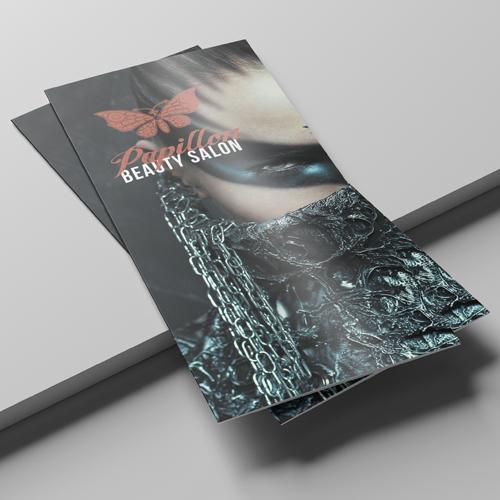
Fast&Few Gloss Laminated Brochures US

Matte Lamination Spot UV Soft Cover Perfect Binding Professional Custom
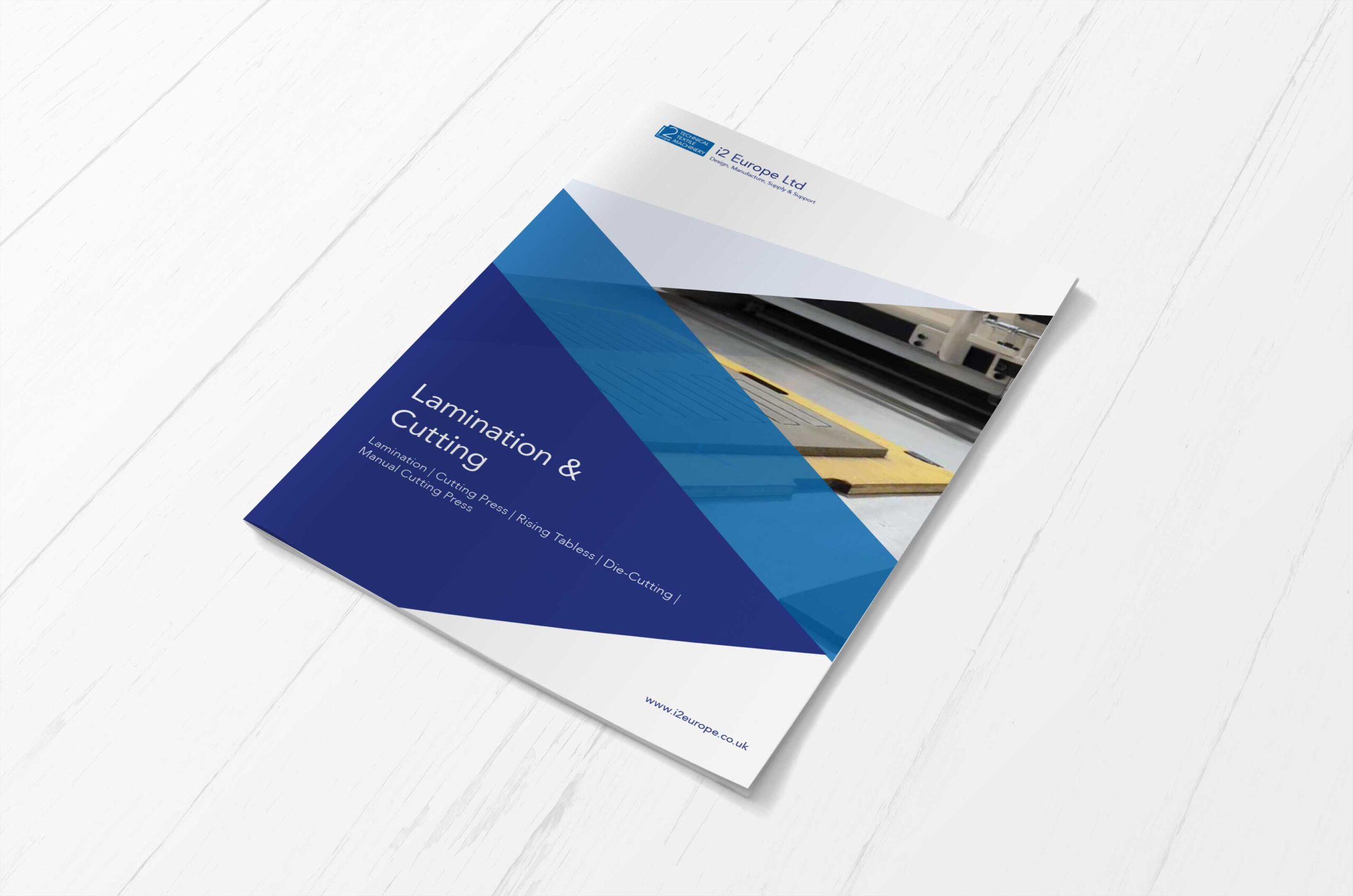
Downloads i2 Europe Technical Machinery Solutions
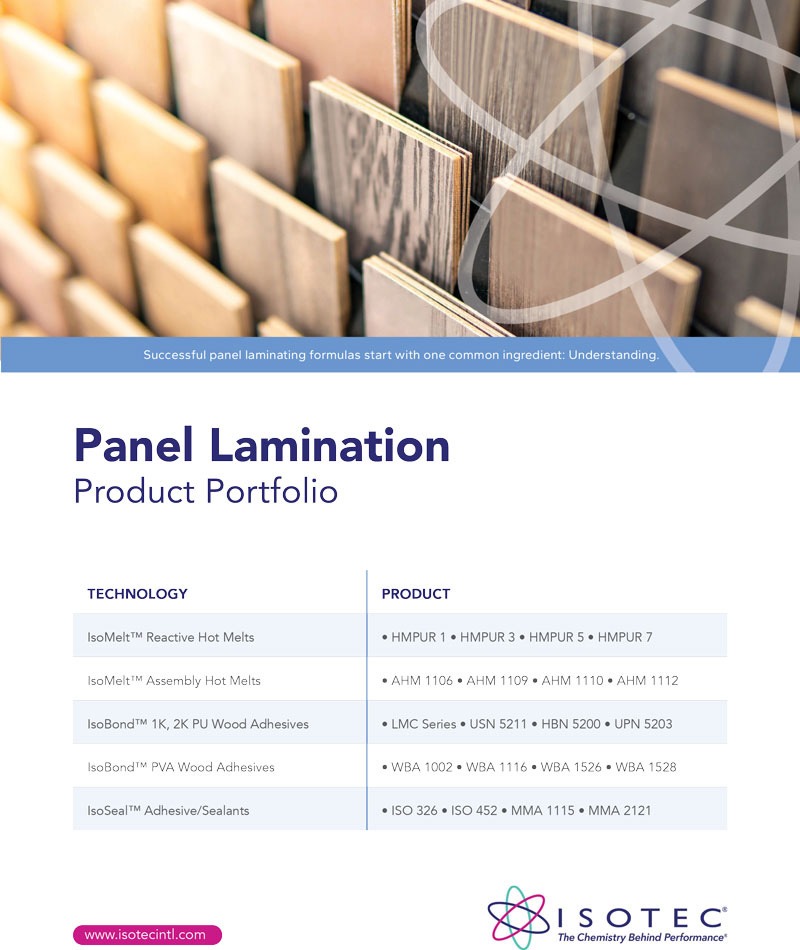
Brochures Isotec
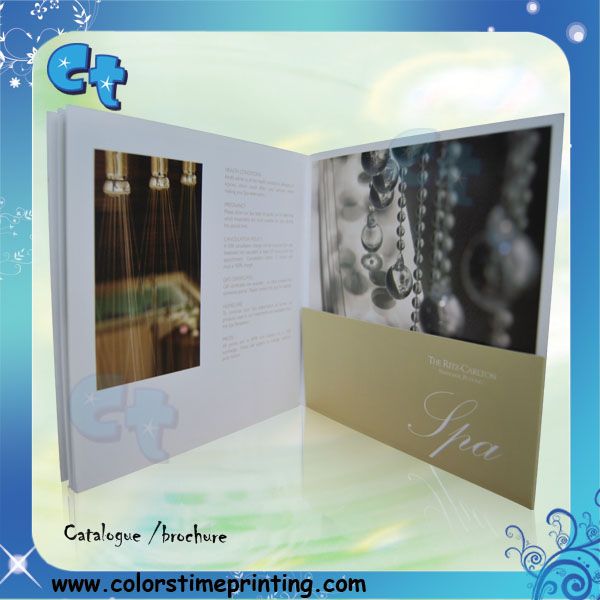
Matt lamination brochure/laminated brochure printing service
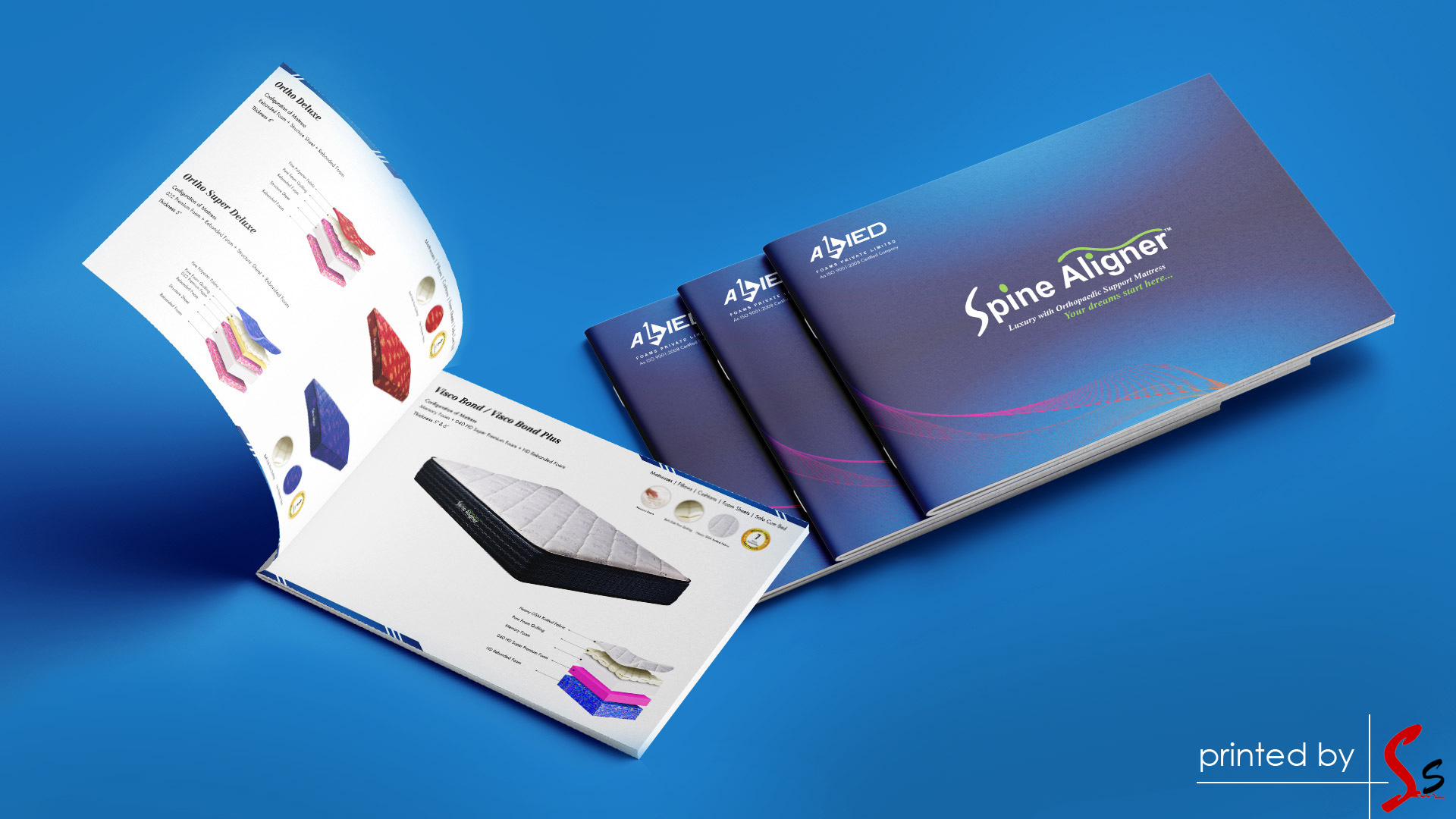
Leading brochures printing company in Delhi Brochure Printing services
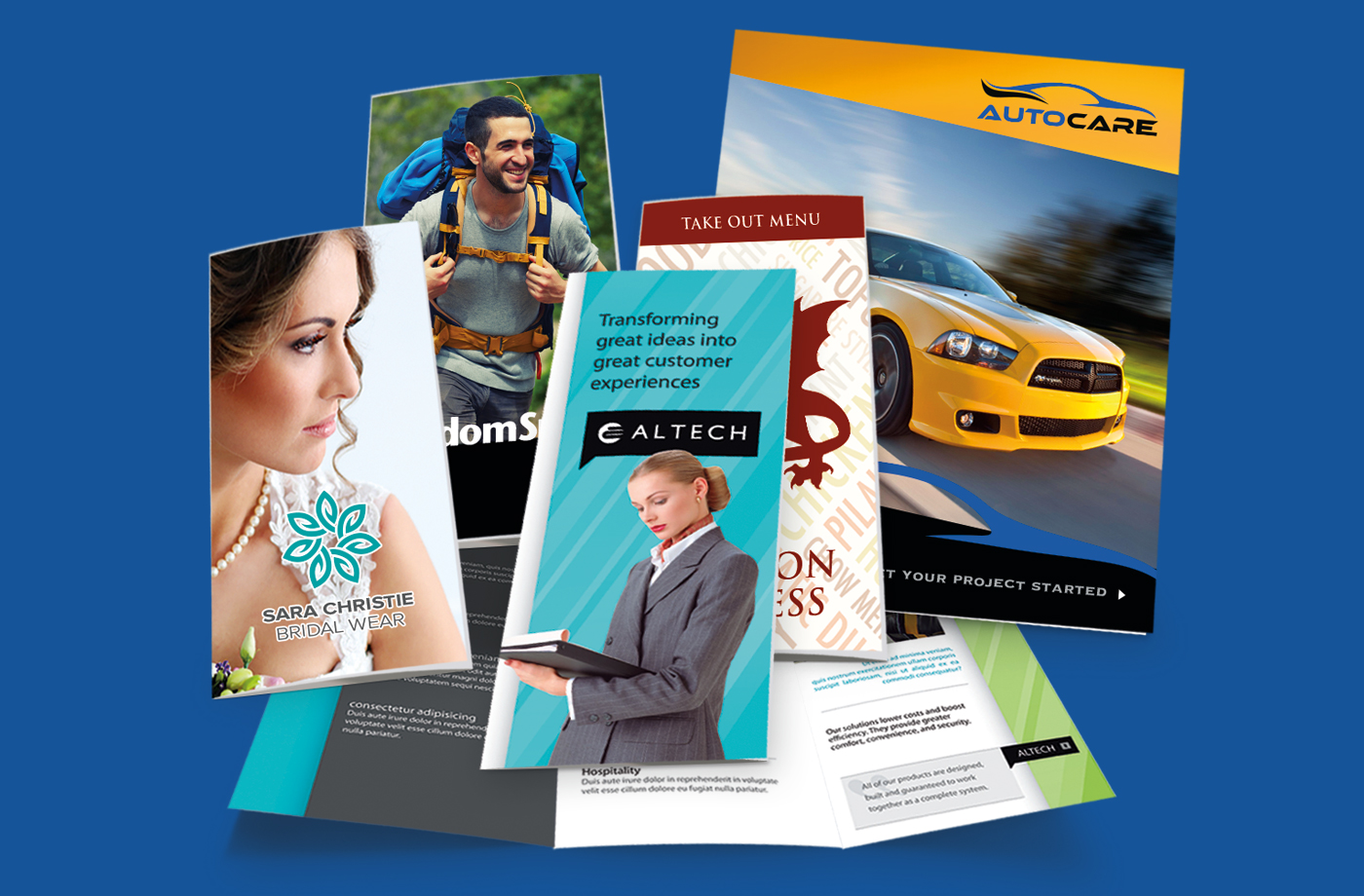
Best Brochures catalogues printing Hyderabad pixeleffect.in

Glossy Lamination Promotion Magazine/Catalogue/Booklet Printing, A4

Bi Fold Brochures, Bi Fold Brochure Printing in Saigon Helixgram

Brochure printing in Munirka, brochure printing Delhi NCR INDIA
Lamination Is The Process Of Applying A Thin Layer Of Plastic To Paper Or Card Sheets To Enhance And Protect The Printed Matter.
This Process Involves Applying A Thin Transparent Plastic Film Over.
Lamination Is The Process Of Creating Several Layers In A Material.
Common Types Of Laminate Are Gloss, Matt, Velvet, Gold, And.
Related Post: