
E Coli Brochure
E Coli Brochure - Coli is a bacterium that lives in the intestines of people and animals. Coli antisera, intended for serological confirmation and serotyping of identified e. There are many strains of e. Coli cause disease by making a toxin called. Coli are harmless, others can make people sick. Coli 0157:h7) can cause serious. Coli are harmless and are part of a healthy intestinal tract. Coli are harmless, but some can cause illness. This brochure focuses on the ssi e. Coli) are a type of bacteria that exist naturally in the intestines of nearly 90% of humans1. We have billions of e.coli bacteria in our bodies, making things we need, helping digest our food and maintaining our health. This brochure focuses on the ssi e. Coli are harmless and are part of a healthy intestinal tract. Although most strains of e. Coli (escherichia coli) are bacteria that normally live in the intestines of animals and humans. Most types of e.coli are harmless, but some types (such as e. Coli antisera, intended for serological confirmation and serotyping of identified e. Coli that can causes illness can be. There are many strains of e. A few types can make you sick. Coli) is a bacterium that is found in the intestines of healthy humans and animals, and which is part of the normal bacterial flora. Coli are harmless, but some can cause illness. Coli are germs that live inside the intestines of healthy people and animals, like cows. Coli are harmless and are part of a healthy intestinal tract. Because these. However, eating or drinking food or water contaminated with certain. Coli are germs that live inside the intestines of healthy people and animals, like cows. Coli are harmless, but some can cause illness. Coli) are a type of bacteria that exist naturally in the intestines of nearly 90% of humans1. Coli help digest food, produce vitamins, and protect us from. Coli are harmless and are part of a healthy intestinal tract. Coli are a large and diverse group of bacteria. Coli antisera, intended for serological confirmation and serotyping of identified e. Coli are harmless, but some can cause illness. Environmental protection agency | us epa Coli antisera, intended for serological confirmation and serotyping of identified e. Coli (escherichia coli) are bacteria that normally live in the intestines of animals and humans. Because these bacteria can be found in human and animal. Most types of e.coli are harmless, but some types (such as e. Coli are some of the most common types of bacteria found in. Most types of e.coli are harmless, but some types (such as e. Coli) are a type of bacteria that exist naturally in the intestines of nearly 90% of humans1. Environmental protection agency | us epa Provide an overview of the escherichia coli organism, including incidence, infective dose and foods affected. Coli are mostly harmless bacteria that live in the intestines. Coli) bacteria can be found in the environment, foods, and the intestines of people and animals. Coli cause disease by making a toxin called. Coli are harmless and are part of a healthy intestinal tract. This brochure focuses on the ssi e. Coli) is a bacterium that is found in the intestines of healthy humans and animals, and which is. This brochure focuses on the ssi e. Most are harmless and play an important part of a. However, eating or drinking food or water contaminated with certain. Coli help us digest food, produce vitamins, and protect us from harmful germs. Although most strains of e. This brochure focuses on the ssi e. Coli are harmless and are part of a healthy intestinal tract. Coli that can causes illness can be. Coli antisera, intended for serological confirmation and serotyping of identified e. Coli) bacteria can be found in the environment, foods, and the intestines of people and animals. Most are harmless and play an important part of a. Coli help us digest food, produce vitamins, and protect us from harmful germs. Coli) is a bacterium that is found in the intestines of healthy humans and animals, and which is part of the normal bacterial flora. Coli are mostly harmless bacteria that live in the intestines of people and. Because these bacteria can be found in human and animal. Coli is a bacterium that lives in the intestines of people and animals. Coli are germs that live inside the intestines of healthy people and animals, like cows. Provide an overview of the escherichia coli organism, including incidence, infective dose and foods affected. Coli are harmless, others can make people. Coli are harmless, but some can cause illness. Coli are germs that live inside the intestines of healthy people and animals, like cows. Coli are harmless, others can make people sick. However, eating or drinking food or water contaminated with certain. We have billions of e.coli bacteria in our bodies, making things we need, helping digest our food and maintaining our health. Coli) is a bacterium that is found in the intestines of healthy humans and animals, and which is part of the normal bacterial flora. Coli are a large and diverse group of bacteria. Coli (escherichia coli) are bacteria that normally live in the intestines of animals and humans. Although most strains of e. Coli) are bacteria that affect the stomach and intestines. Coli cause disease by making a toxin called. Most are harmless and play an important part of a. Our product range includes almost 400 different e. Coli are harmless and are part of a healthy intestinal tract. Coli help digest food, produce vitamins, and protect us from harmful germs. There are many strains of e.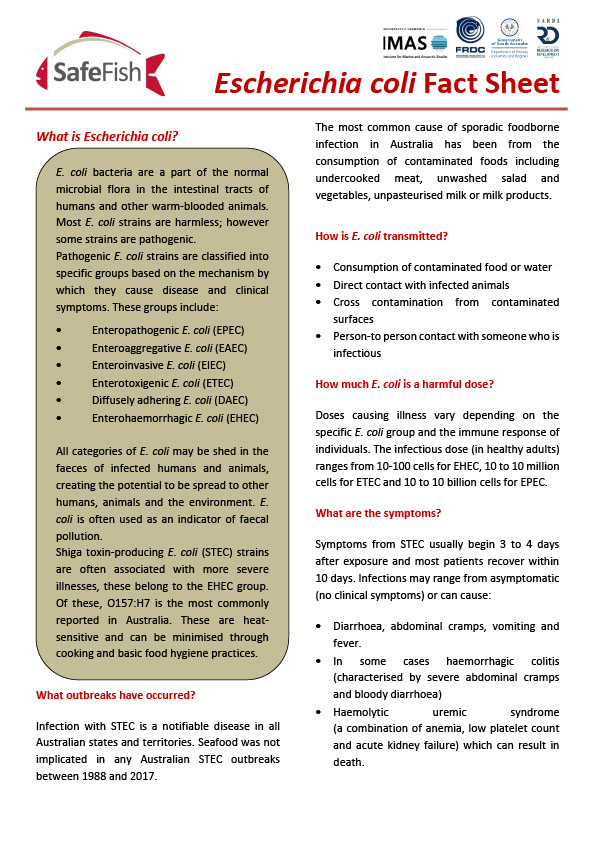
EColi Fact Sheet SafeFish

What you need to know about E. coli Visual.ly Food Safety Chart, Food

Escherichia coli Veterian Key
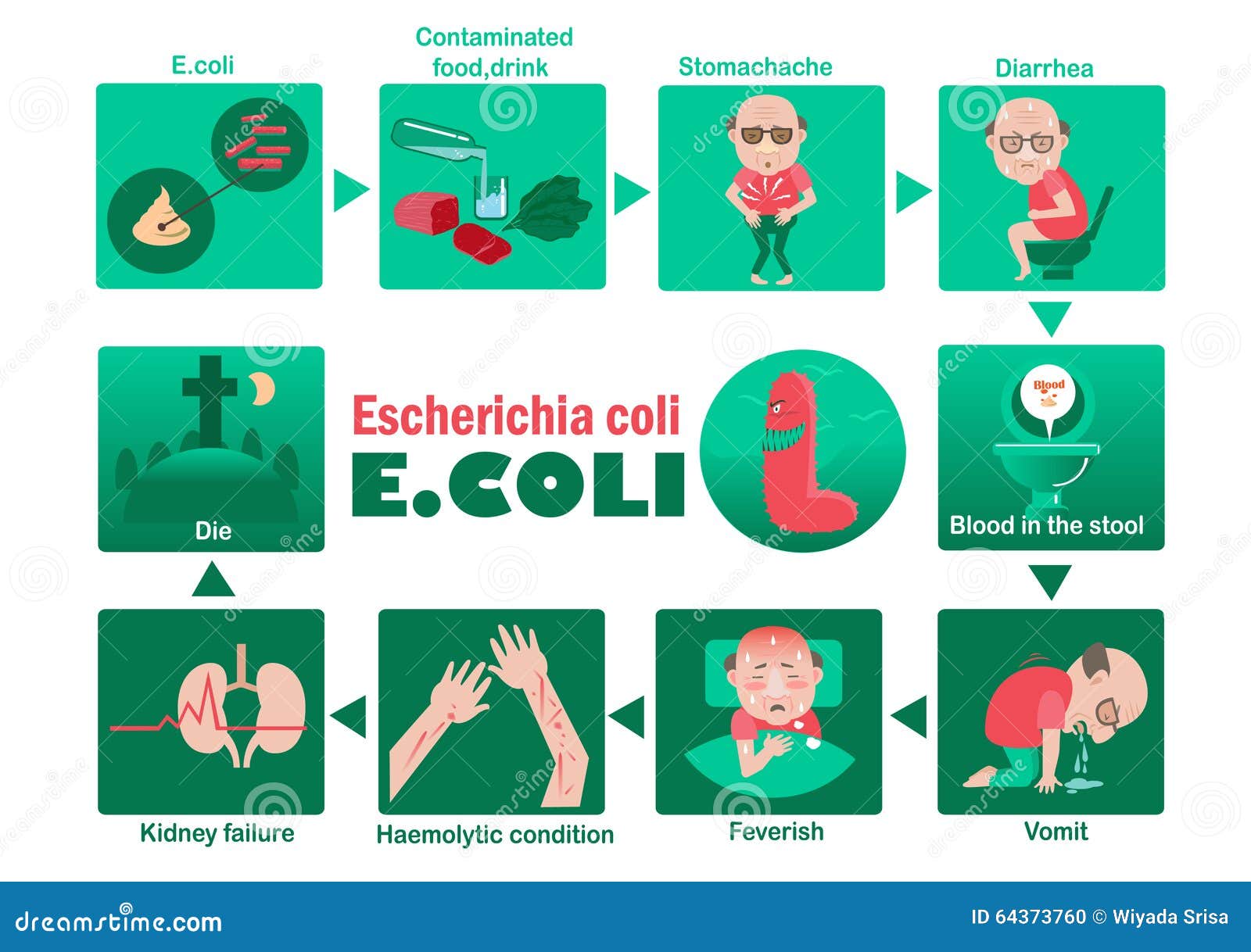
Uti with e coli symptoms The request could not be satisfied

E Coli Micrograph

E. coli Infographic Stock Image C043/7574 Science Photo Library

One step closer to preventing invasive E. coli disease, including
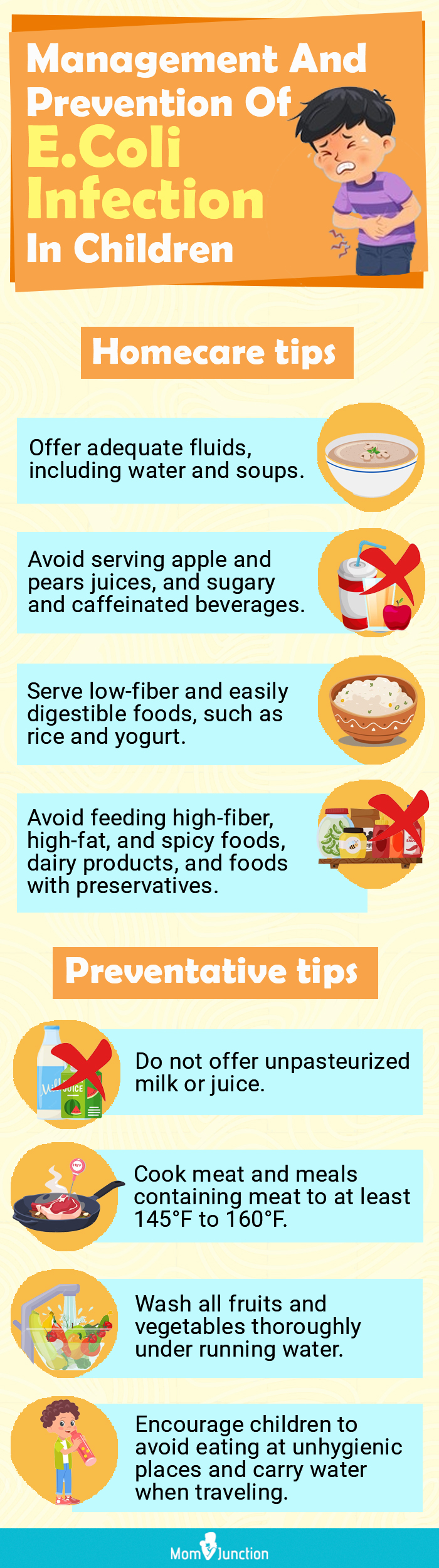
E. Coli Infection In Children Causes, Symptoms & Treatment
Catalogs, Newsletters and Brochures ZYMO RESEARCH
InfografiaEscherichia Coli PDF
Coli Are Harmless And Are Part Of A Healthy Intestinal Tract.
Coli Are Some Of The Most Common Types Of Bacteria Found In Our Intestines.
This Brochure Focuses On The Ssi E.
Environmental Protection Agency | Us Epa
Related Post:
