
Trigonometry Brochure
Trigonometry Brochure - Every angle of a right triangle has six measurements called trigonometric functions. Using these new labels, we define the three main trigonometric ratios and their reciprocals: This trigonometry handbook was developed primarily through work with a number of high school and college trigonometry classes. On studocu you find all the lecture notes, summaries and study guides you need to pass your exams with better grades. Create an equation using the trig ratio sine and then solve for the unknown. 1, 4, 5, 6, 7, 8, 10(a,b), 11. A summary of trigonometry one way to think about the trigonometric functions is in terms of the unit circle (that is, the circle centred at the origin, of radius 1). Solving for a side within a right triangle using the. In addition, a number of more advanced topics have been. The sine of an angle (sin𝜃) is the ratio of the opposite side to the hypotenuse, the cosine of an angle. In this lecture note, we give detailed explanation and set of problems related to trigonometry. Understand the trigonometric ratios and their inverses to find the angles in a right triangle. Every angle of a right triangle has six measurements called trigonometric functions. A summary of trigonometry one way to think about the trigonometric functions is in terms of the unit circle (that is, the circle centred at the origin, of radius 1). Shop best sellersshop our huge selectiondeals of the dayfast shipping The first of these trigonometric functions is sine, which is abbreviated sin. The sine of an angle (sin𝜃) is the ratio of the opposite side to the hypotenuse, the cosine of an angle. Find the three primary trigonometric ratios given a point that lies on the terminal ray of an angle θ in standard position. It is the length of the side an. Trigonometry review review the basic facts of trigonometry in appendix a. Find the three primary trigonometric ratios given a point that lies on the terminal ray of an angle θ in standard position. Trigonometry students will be able to: Question 1 find the value of cos a in each triangle as a fraction in its simplest form. The sine of an angle (sin𝜃) is the ratio of the opposite side to. Create an equation using the trig ratio sine and then solve for the unknown. 1, 4, 5, 6, 7, 8, 10(a,b), 11. Trigonometry review review the basic facts of trigonometry in appendix a. Determine which trigonometric ratio to use. It is one of the most practical branches of pure mathematics and it has many applications in the real. Trigonometry is the study of the relationships between the sides and angles in a triangle. It is the length of the side an. 1, 4, 5, 6, 7, 8, 10(a,b), 11. Understand the trigonometric ratios and their inverses to find the angles in a right triangle. The lengths of segments and the sizes of angles. 1, 4, 5, 6, 7, 8, 10(a,b), 11. Section 1.4 completes the definition of trigonometric functions, using the unit circle, by introducing tangent, cosecant, secant, and cotangent functions. Create an equation using the trig ratio sine and then solve for the unknown. Sketch a diagram with (4,5) on the terminal ray. Solving for a side within a right triangle using. Understand the trigonometric ratios and their inverses to find the angles in a right triangle. The first of these trigonometric functions is sine, which is abbreviated sin. Sketch a diagram with (4,5) on the terminal ray. Shop best sellersshop our huge selectiondeals of the dayfast shipping All lengths are in millimetres. Trigonometry is the study of the relationships between the sides and angles in a triangle. The sine of an angle (sin𝜃) is the ratio of the opposite side to the hypotenuse, the cosine of an angle. All lengths are in millimetres. It is the length of the side an. It will be assumed that you know: In this lecture note, we give detailed explanation and set of problems related to trigonometry. Trigonometry review review the basic facts of trigonometry in appendix a. 1, 4, 5, 6, 7, 8, 10(a,b), 11. Understand the trigonometric ratios and their inverses to find the angles in a right triangle. On studocu you find all the lecture notes, summaries and study. It is one of the most practical branches of pure mathematics and it has many applications in the real. Section 1.4 completes the definition of trigonometric functions, using the unit circle, by introducing tangent, cosecant, secant, and cotangent functions. Sketch a diagram with (4,5) on the terminal ray. Using these new labels, we define the three main trigonometric ratios and. The lengths of segments and the sizes of angles. Create an equation using the trig ratio sine and then solve for the unknown. Determine which trigonometric ratio to use. An important student resource for any high. A summary of trigonometry one way to think about the trigonometric functions is in terms of the unit circle (that is, the circle centred. A summary of trigonometry one way to think about the trigonometric functions is in terms of the unit circle (that is, the circle centred at the origin, of radius 1). All lengths are in millimetres. Solving for a side within a right triangle using the. The sine of an angle (sin𝜃) is the ratio of the opposite side to the. The first of these trigonometric functions is sine, which is abbreviated sin. Trigonometry students will be able to: Trigonometry is the study of the relationships between the sides and angles in a triangle. Trigonometry is the part of math that is obsessed with triangle side lengths and angles. Trigonometry review review the basic facts of trigonometry in appendix a. Section 1.4 completes the definition of trigonometric functions, using the unit circle, by introducing tangent, cosecant, secant, and cotangent functions. All lengths are in millimetres. This trigonometry handbook was developed primarily through work with a number of high school and college trigonometry classes. The lengths of segments and the sizes of angles. A summary of trigonometry one way to think about the trigonometric functions is in terms of the unit circle (that is, the circle centred at the origin, of radius 1). Sketch a diagram with (4,5) on the terminal ray. The sine of an angle (sin𝜃) is the ratio of the opposite side to the hypotenuse, the cosine of an angle. 1, 4, 5, 6, 7, 8, 10(a,b), 11. Using these new labels, we define the three main trigonometric ratios and their reciprocals: Uses java applets to explore important topics interactively. Trigonometry |literally, \triangle measurement| is the study of the interplay between two wildly di erent notions of measurement:
Trigonometry in Careers Brochure Project Geometry EDITABLE Classful
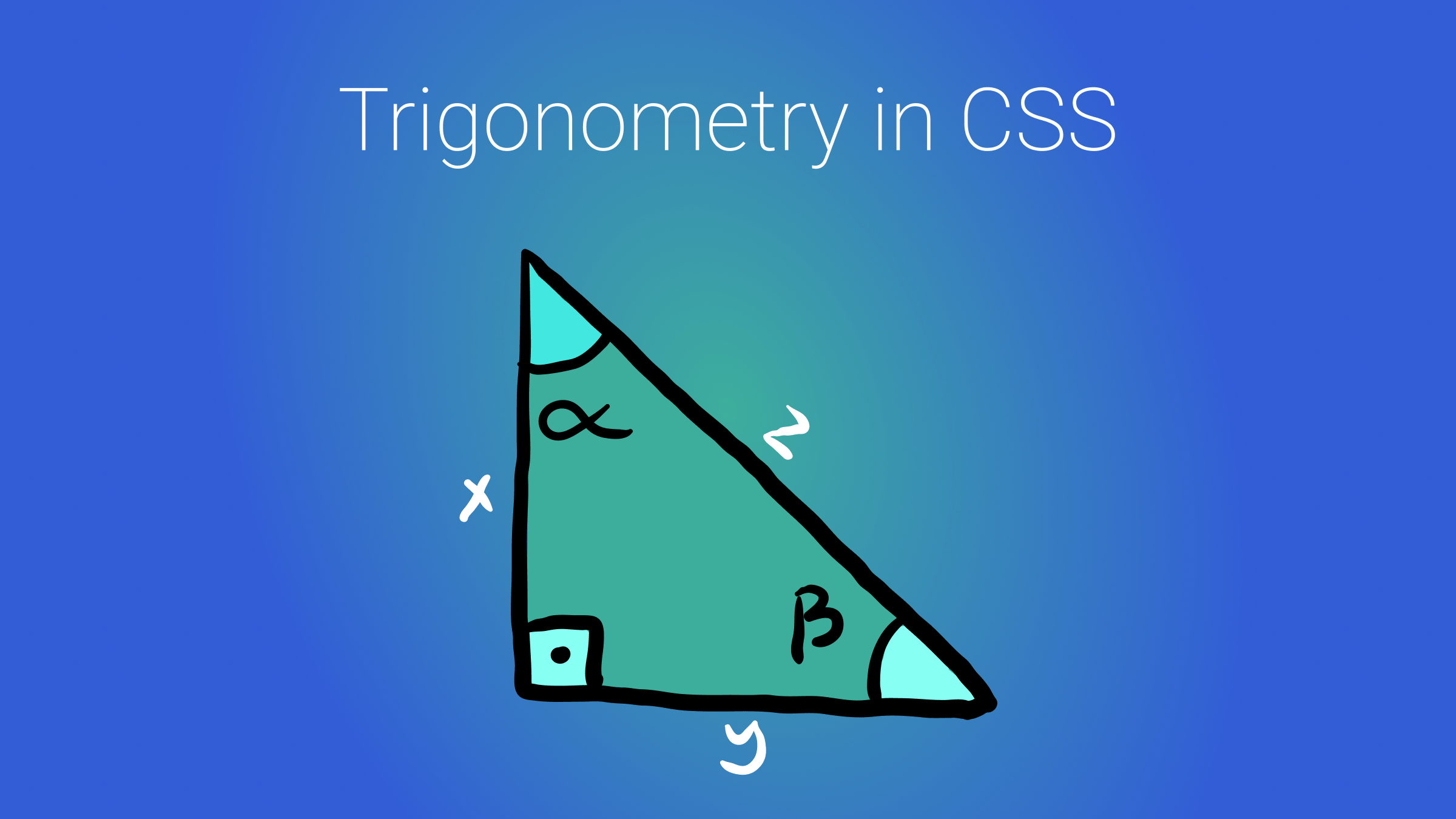
The Creative Impact of Trigonometry in CSS
TRIGONOMETRY POSTERS CHARTS, BASIC MATH, A4 SIZE LAMINATED FOR KIDS

Summer High School Math, Algebra 1 · Geometry · Algebra 2

English Series Book Plane Trigonometry (Part 1) by Loney, EduGorilla
Trigonometry in Careers Brochure Project Geometry EDITABLE TPT

Trigonometry in Careers Brochure Project Geometry EDITABLE Made

Trigonometry by Teach Simple

Trigonometry in Careers Brochure Project Geometry EDITABLE Made

Trigonometry in Careers Brochure Project Geometry EDITABLE Classful
In Addition, A Number Of More Advanced Topics Have Been.
An Important Student Resource For Any High.
Create An Equation Using The Trig Ratio Sine And Then Solve For The Unknown.
Determine Which Trigonometric Ratio To Use.
Related Post: