
Type 1 Diabetes Brochure
Type 1 Diabetes Brochure - Type 1 diabetes in type 1 diabetes, your body no longer makes insulin. Type 2, on the other hand, is caused by insulin resistance. Type 1 diabetes is a disease in which the pancreas does not produce any insulin. We publish a series of professionally authored brochures on diabetes and related health which are freely available as pdf download or as hard copy upon request. There is little or no insulin made by the pancreas. Use the resources below to supplement the information found in the type 1 diabetes brochure. Insulin is a hormone that regulates how. • provide guidance on frequent glucose monitoring and appropriate insulin therapy for times of. Insulin controls how much sugar stays in your blood. The 2 most common types of diabetes are: We publish a series of professionally authored brochures on diabetes and related health which are freely available as pdf download or as hard copy upon request. Type 1 diabetes, once known as juvenile diabetes, is the most common type of diabetes diagnosed in children and young adults under 20 years of age, which is why parents and. Type 1 diabetes in type 1 diabetes, your body no longer makes insulin. Type 1 diabetes is an autoimmune disease caused by the destruction of beta cells in the pancreas. • provide guidance on frequent glucose monitoring and appropriate insulin therapy for times of. They include sites for national organizations like the american diabetes association (ada), sites for diabetes interest groups, Ten to 15 out of 100 people with diabetes have type 1 diabetes. The 2 most common types of diabetes are: • educate all people with type 1 diabetes on the recognition, prevention, and treatment of dka. Clinical trial datadosing instructionsimportant safety infophysician resources The 2 most common types of diabetes are: Between school, extracurriculars, and social obligations, a young person’s life is already busy. When you have type 1 diabetes, you must take insulin, usually by injection or pump, in order to control your blood sugar. Insulin helps sugar from the food you eat move from your blood into your body’s cells. The. Insulin is a hormone that helps your body to control the level of sugar (glucose) in your blood. Between school, extracurriculars, and social obligations, a young person’s life is already busy. Type 1 is most often seen in young people. When you have type 1 diabetes, you must take insulin, usually by injection or pump, in order to control your. Type 1 diabetes symptoms and causes when you have type 1. Talk with your clinician to determine if you are high risk for type 1 diabetes. When you have type 1 diabetes, you must take insulin, usually by injection or pump, in order to control your blood sugar. Between school, extracurriculars, and social obligations, a young person’s life is already. Due to low population prevalence, screening for type. They include sites for national organizations like the american diabetes association (ada), sites for diabetes interest groups, Type 1 diabetes affects about 1 in 400 children, adolescents, and young adults. Clinical trial datadosing instructionsimportant safety infophysician resources Insulin controls how much sugar stays in your blood. Currently, there is no cure. A pediatric registered dietitian offers advice on how best to handle these meal plans and. This means your body can’t get glucose to make energy! Type 1 diabetes affects about 1 in 400 children, adolescents, and young adults. Ten to 15 out of 100 people with diabetes have type 1 diabetes. Type 1 diabetes in type 1 diabetes, your body no longer makes insulin. 3 4 type 1 diabetes defined type 1 diabetes (t1d) is a lifelong condition where the pancreas can’t produce insulin. Insulin is a hormone that regulates how. Type 1 diabetes is a disease in which the pancreas does not produce any insulin. Type 1 diabetes is a. Learning you have type 1 diabetes early lets you take steps early to stay healthy. If you have type 1 diabetes, looking after your. Insulin is a hormone that regulates how. When you have type 1 diabetes your body may not make enough or any insulin. But adding type 1 diabetes management on top of that can feel like an. If you have type 1 diabetes, looking after your. What causes type 1 diabetes? They include sites for national organizations like the american diabetes association (ada), sites for diabetes interest groups, Type 1 diabetes in type 1 diabetes, your body no longer makes insulin. It’s marked by high blood sugar. Learning you have type 1 diabetes early lets you take steps early to stay healthy. When you have type 1 diabetes your body may not make enough or any insulin. The disease is treated by administering insulin. What was once routine became a daily test. Below is a list of helpful online resources for type 1 diabetes. Type 2, on the other hand, is caused by insulin resistance. If you have type 1 diabetes, looking after your. This means your body can’t get glucose to make energy! But adding type 1 diabetes management on top of that can feel like an. Clinical trial datadosing instructionsimportant safety infophysician resources What causes type 1 diabetes? Insulin is a hormone that helps your body to control the level of sugar (glucose) in your blood. Insulin is a hormone that helps your body to control the level of sugar (glucose) in your blood. Diabetes is a common disorder. Insulin helps sugar from the food you eat move from your blood into your body’s cells. But it is possible to screen for diabetes beforeyour child experiences symptoms, needs insulin. Below is a list of helpful online resources for type 1 diabetes. Type 1 diabetes, once known as juvenile diabetes, is the most common type of diabetes diagnosed in children and young adults under 20 years of age, which is why parents and. • educate all people with type 1 diabetes on the recognition, prevention, and treatment of dka. In other words, type 1 diabetes may progress for years undetected. Type 1 diabetes is a less common form of diabetes than type 2 diabetes. When you have type 1 diabetes, you must take insulin, usually by injection or pump, in order to control your blood sugar. Insulin controls how much sugar stays in your blood. A pediatric registered dietitian offers advice on how best to handle these meal plans and. Clinical trial datadosing instructionsimportant safety infophysician resources What was once routine became a daily test.
Diabetes Brochure Template 5 Free Templates in PDF, Word, Excel Download

Early Diabetes Detection Patient Brochure on Behance

Multicultural Paediatric Diabetes Resources Diabetes NSW
diabetes brochure Diabetes Mellitus Prediabetes
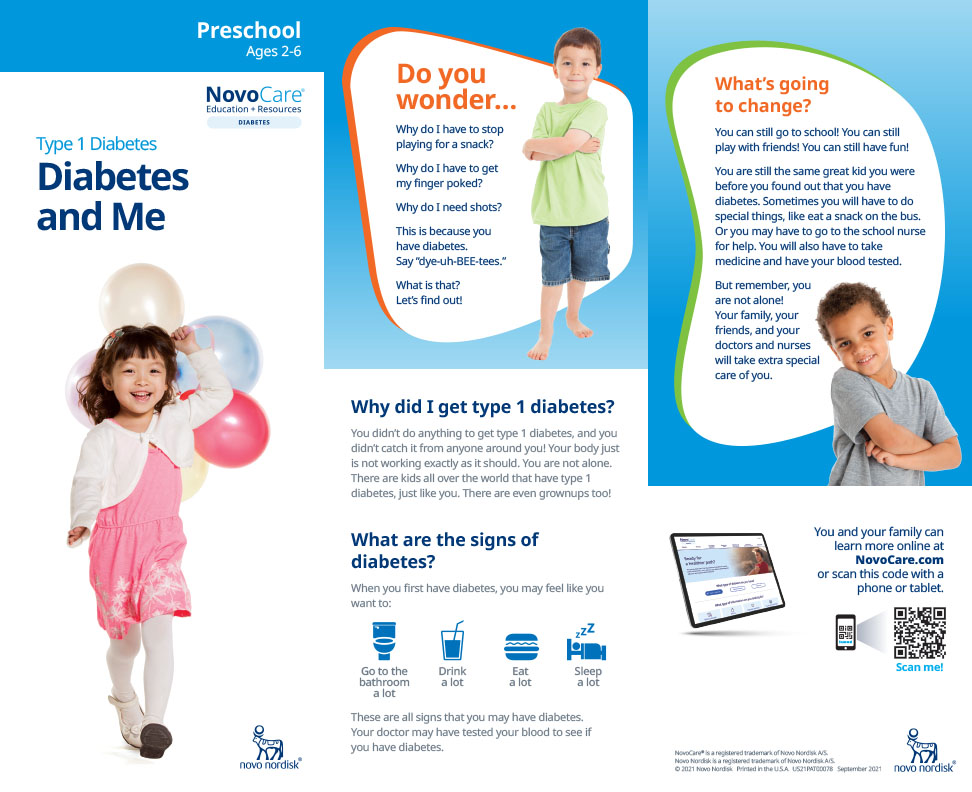
T1D (Ages 26)

DiabetesBrochure practice for diaetes 47356DM MolinaHealthcare Type
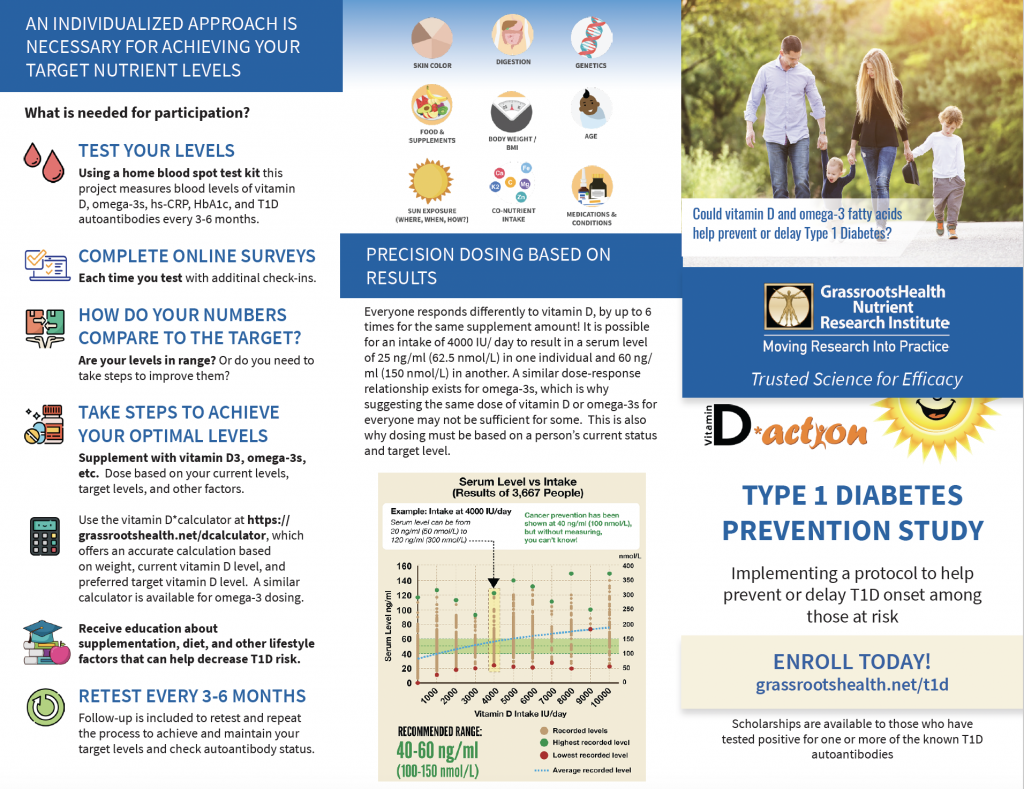
Type 1 Diabetes Prevention Project Enrollment FAQ Brochure
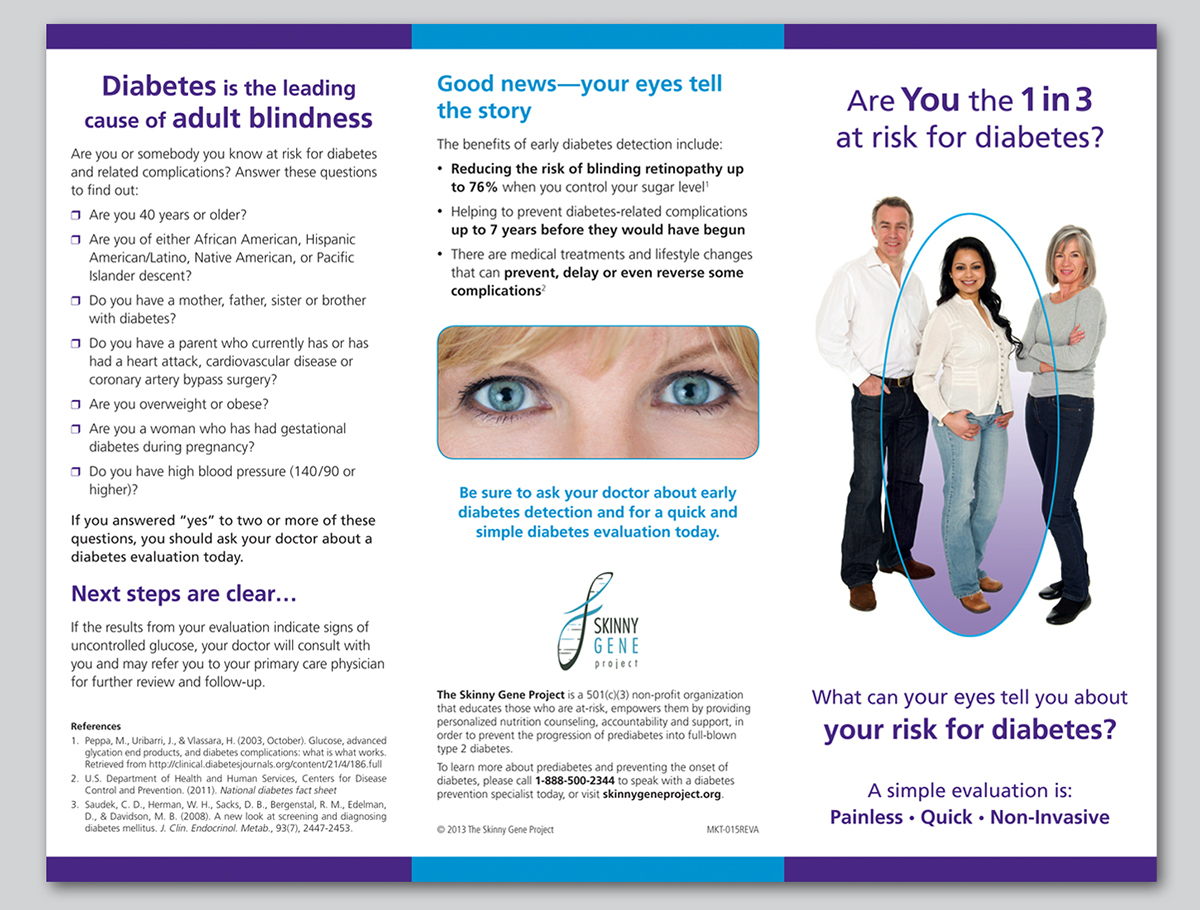
Early Diabetes Detection Patient Brochure on Behance

Diabetes brochure template Royalty Free Vector Image
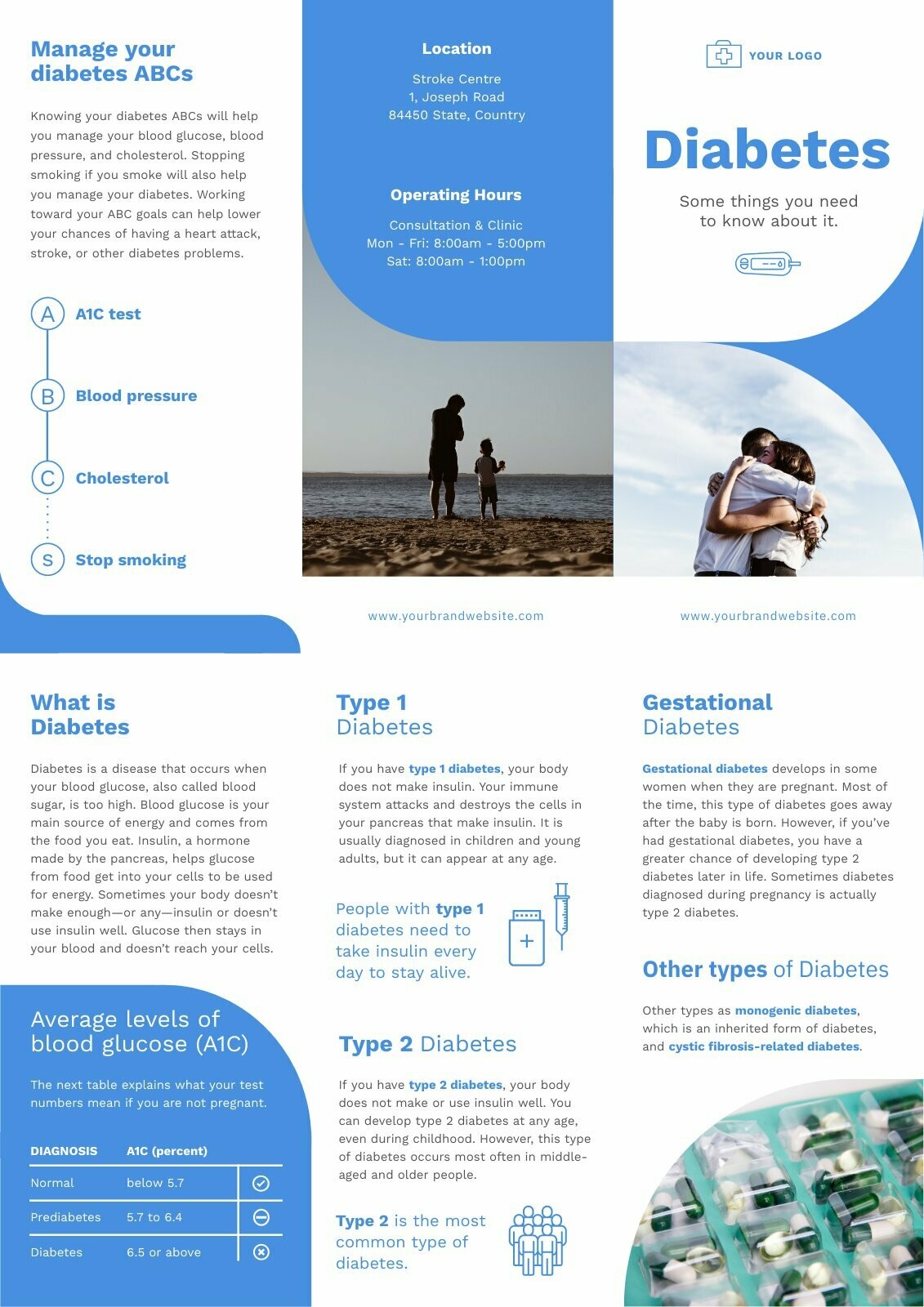
Diabetes Trifold Brochure Free brochure template Piktochart
Ten To 15 Out Of 100 People With Diabetes Have Type 1 Diabetes.
Meals And Snacks Can Become A Central Focus For Kids Living With Type 1 Diabetes.
Talk With Your Clinician To Determine If You Are High Risk For Type 1 Diabetes.
Type 1 Diabetes Is A Disease In Which The Pancreas Does Not Produce Any Insulin.
Related Post:
